



-
- Design
- Dine
- Wine
-
Fine Restaurant Guide
-
Facebook Like Box
-
Follow Fine
- RSS Feed
-
-


-
Recent Posts
Loading- China Poblano (Las Vegas): An eatery tells the tale of two countries through its beverage menu
- China Poblano (Las Vegas): Chef Shirley Chung elevates storied Chinese and Mexican street foods to new heights
- China Poblano (Las Vegas): José Andrés’ new casual eatery celebrates the urban parks of China and Mexico
- Prasino (Chicago): An organically focused eatery features farm-to-bar cocktails and other earth-friendly beverages
- Prasino (Chicago): Scott Halverson makes clean, “green,” people-pleasing cuisine
-
Archives
Home Energy Efficiency Improvements That Complement Solar Power
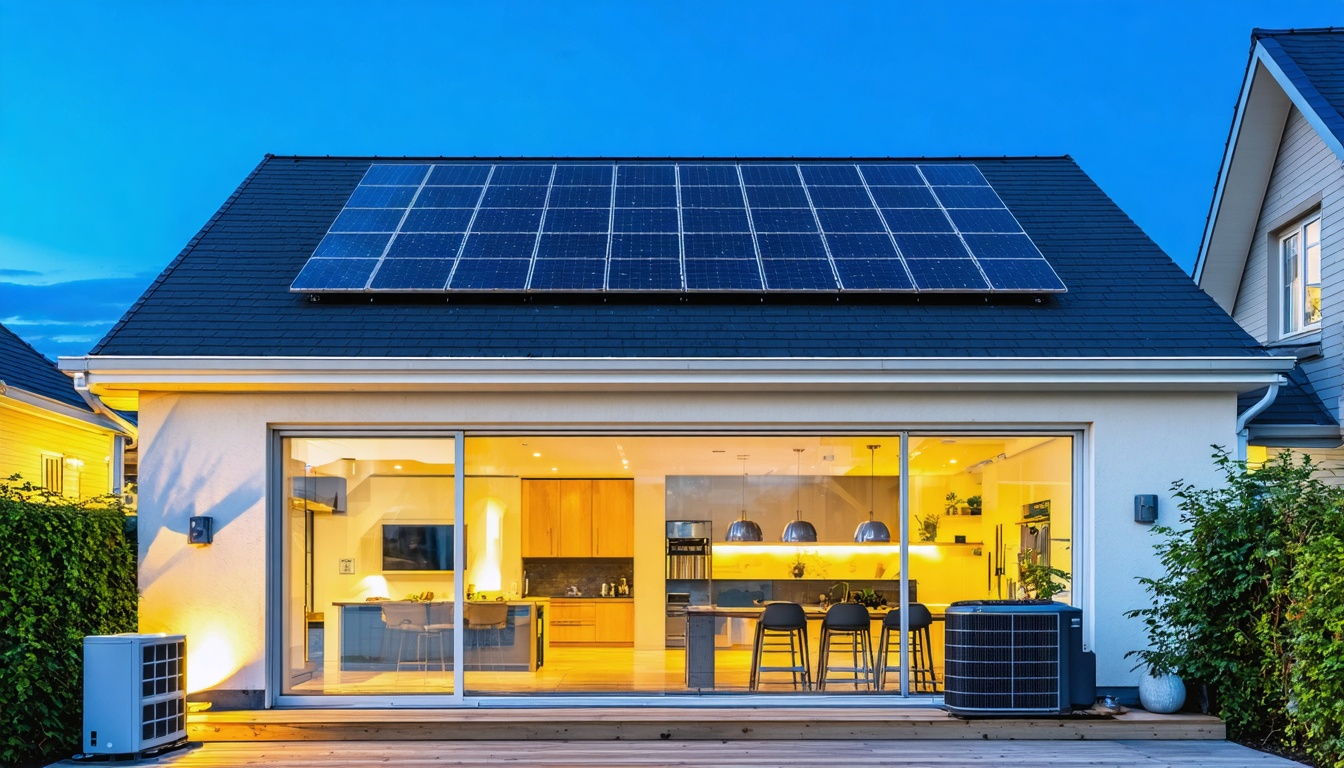
When considering the optimization of your solar investment, prioritizing energy efficiency improvements in your home can be beneficial. Enhancements in areas such as insulation, window quality, and appliance efficiency not only lead to reduced energy expenses but can also maximize the effectiveness of your solar energy system. Investing in high-quality insulation can decrease the amount of energy needed for heating and cooling, thereby enhancing the overall efficiency of your solar setup. Efficient windows can reduce heat loss in winter and limit heat gain in summer, potentially lowering reliance on HVAC systems. Upgrading to energy-efficient appliances can further minimize electricity consumption, allowing solar energy to be utilized more effectively. Overall, implementing these practical changes can contribute to a more comfortable living environment while also reducing your household’s environmental impact. Assessing your home for these upgrades can reveal important opportunities for energy savings that support and enhance the functionality of your solar system.
Benefits of Enhancing Home Energy Efficiency
Enhancing home energy efficiency can result in notable reductions in energy expenses while simultaneously improving comfort levels in the home environment. Various funding programs, such as those provided by NYSERDA and Community Development Funding, offer resources that facilitate energy-efficient upgrades. Common improvements include the installation of high-performance windows and doors, effective air sealing, and energy-efficient systems such as air source heat pumps and modern water heaters.
These modifications can be applied across different types of residences, including single-family homes and condominiums.
Additionally, incorporating energy-efficient lighting solutions, programmable thermostats, and induction cooktops can contribute to further energy savings. These strategies not only assist homeowners in decreasing energy consumption but also aid broader societal goals, such as enhancing support for underserved communities.
Increased energy efficiency can improve indoor air quality, thereby having a positive effect on public health outcomes.
The emphasis on energy-efficient practices aligns with aims linked to climate justice and the promotion of green jobs, thereby contributing to the goals outlined in the New York State Clean Energy Strategic Outlook.
In summary, these enhancements provide a comprehensive approach to energy efficiency that highlights both individual benefits for homeowners and collective benefits for society as a whole.
Sealing and Insulating Key Areas
Sealing and insulating key areas of a home are essential practices for improving energy efficiency, particularly when combined with solar power systems. By implementing effective air sealing techniques and enhancing insulation, homeowners can achieve reduced heating and cooling losses, which contributes to lower energy bills and improved indoor air quality.
Furthermore, these measures can enhance the performance of solar energy systems by minimizing energy waste. For homeowners in West Palm Beach, partnering with local Solar Energy Services in West Palm Beach can provide tailored solutions to maximize these benefits.
Various programs, such as NYSERDA’s Comfort Home initiative, offer financial assistance and expert guidance to homeowners looking to make strategic energy efficiency upgrades. These upgrades are particularly relevant for various housing types, including multi-family buildings and condominiums, assisting in addressing the energy needs of all communities, including those that are underserved.
Homeowners and property managers should assess their eligibility for state tax credits or local support programs that can provide financial aid for these improvements.
Additionally, it is beneficial to explore complementary strategies, such as implementing effective lighting solutions and participating in campus energy initiatives, to further enhance overall energy savings.
By approaching these upgrades in a systematic way, homeowners can effectively increase their energy efficiency and benefit from potential cost reductions.
Upgrading Windows and Doors for Reduced Heat Loss
Upgrading windows and doors is an important step in improving energy efficiency within a building. Even when walls are well-insulated, the overall effectiveness of energy conservation may be diminished if windows and doors do not adhere to current standards.
Transitioning to energy-efficient windows and doors, particularly those with low-emissivity coatings, can potentially lead to a reduction in heat loss of approximately 50%. This upgrade not only enhances thermal performance but may also have a positive impact on indoor air quality.
When exploring replacement options, it is recommended to consider the National Fenestration Rating Council (NFRC) ratings. These ratings provide standardized evaluations of energy performance, assisting property owners in selecting the most efficient products suitable for different building types, including residential homes, condominiums, and mixed-use high-rise buildings.
In addition to replacing windows and doors, implementing storm doors or applying window films are viable methods to further improve energy performance.
Programs like those from the New York State Energy Research and Development Authority (NYSERDA) offer insights and financial incentives, such as tax credits, to facilitate building upgrades. These actions can lead to significant energy savings, particularly when integrated with solar energy systems, ultimately supporting the electrification of infrastructure in underserved communities and enhancing the operational efficiency of community buildings.
Improving Water Heating Efficiency
Water heating accounts for a significant share of household energy consumption, contributing approximately 18% of residential utility bills. Improving the efficiency of water heating systems can result in reductions in energy costs.
The New York State Energy Research and Development Authority (NYSERDA) offers financial incentives, including funding and rebates, for the adoption of heat pump water heaters and advanced thermostat technologies.
Households that transition to heat pump water heaters may see annual energy savings ranging from $200 to $550. Additionally, when these systems are coupled with solar energy technologies, further cost efficiencies can be realized.
Programs such as NYS Clean Heat and Systems Electrifying Infrastructure are in place to assist various building types, including condominiums and multifamily dwellings, as well as certain underserved communities.
For individuals seeking more information on energy efficiency related to water heating, there are a number of resources available. These include detailed reports, expert analyses, and information on state policies.
Such resources can provide insights to help consumers make informed decisions regarding energy savings over the long term.
Optimizing Kitchen Efficiency with Modern Appliances
A systematic approach to upgrading kitchen appliances can lead to measurable energy savings and enhanced operational performance. The selection of modern, energy-efficient appliances—such as induction cooktops—can both reduce energy costs and improve indoor air quality.
Appliances that are Energy Star® certified are designed to consume less energy, making them suitable for residences that utilize solar power systems.
The use of heat pump water heaters is supported by organizations, including NYSERDA, due to their capacity to lower annual energy expenditures. Various community programs and resources are available that offer ideas and strategies to encourage energy-efficient building practices.
These initiatives may encompass opportunities for condominium projects and training that promote efficiency in construction and renovation endeavors.
Moreover, improving components such as doors, windows, lighting, thermostats, and insulation can notably enhance a kitchen's overall performance. Sealing air gaps and ensuring adequate insulation are essential measures to decrease energy loss.
For further information and appropriate guidance, resources like NYS Clean reports and industry experts can provide insights into the advancements in systems that aim to enhance energy efficiency in infrastructure.
Installing Low-Flow Fixtures for Water and Energy Savings
Upgrading to low-flow fixtures in residential settings is a strategic method for reducing water consumption and minimizing the energy required for heating water. Efficient faucets and showerheads can lead to reductions in water usage of up to 50%. This not only lowers the demand on hot water systems, which include solar water heaters, but also decreases energy costs associated with water heating.
Various funding opportunities for the implementation of low-flow fixtures are available through programs such as those offered by NYSERDA. Research shows that low-flow fixtures are effective in both single-family homes and multifamily commercial buildings, highlighting their versatility in different residential contexts.
In addition, community resources can assist homeowners and property managers in selecting and installing low-flow fixtures, as well as in accessing available funding programs.
When considering potential upgrades, it is advisable for homeowners and property managers to integrate the installation of low-flow fixtures with other energy efficiency improvements, such as air sealing and enhancements to indoor air quality. This comprehensive approach can yield greater overall benefits in terms of energy conservation and efficiency.
Converting to Clean Heating and Cooling Systems
Transitioning to clean heating and cooling systems is a practical measure for reducing carbon emissions in households and improving energy efficiency, particularly when integrated with solar energy solutions.
The New York State Energy Research and Development Authority (NYSERDA) offers programs and funding options that facilitate the implementation of air source and ground source heat pumps in various building types, including residential homes, multi-family units, and mixed-use developments.
Heat pump systems operate using electric power, which can lead to more efficient heating and cooling. These systems may also help improve indoor air quality through better air sealing.
Individuals and businesses can access expert advice regarding recent updates in state policies, eligibility for tax credits, and guidance for new construction projects.
Additionally, the NYS Clean Heat initiative provides rebates and resources that encourage the installation of energy-efficient doors and windows, contributing to wider energy conservation initiatives.
This program also seeks to support underserved communities, ensuring that the benefits of upgraded heating and cooling systems are more accessible to a diverse population.
Integrating Solar Power and Renewable Energy Solutions
Integrating solar power with other renewable energy solutions can enhance energy independence and improve efficiency in residential settings. Research indicates that combining solar energy with technologies such as air source and ground source heat pumps, efficient water heating systems, and proper air sealing can result in significant energy efficiency improvements.
Support from organizations like NYSERDA and relevant state policies, along with community solar initiatives, is instrumental in developing the necessary infrastructure for electrification. These efforts are particularly important for condominiums, multifamily residences, and commercial buildings that are seeking to address modern heating and cooling requirements effectively.
For individual homes and underserved communities, a combination of financial support, innovative technologies, and training programs is essential for enhancing indoor air quality and operational management practices. Access to expert guidance and improvement strategies can help ensure the long-term performance and comfort of energy systems while optimizing the efficient utilization of available resources.
Leveraging Incentives and Programs for Cost Savings
Financial incentives and energy efficiency programs can offer significant cost savings for homeowners looking to upgrade their residences, especially when incorporating solar power alongside other improvements.
Programs such as NYSERDA’s Comfort Home and NYS Clean Heat provide funding options for various enhancements, including air sealing, insulation, efficient heating and cooling systems, and heat pumps. Additionally, federal tax credits are available to support the installation of solar systems and heat pumps, which can help lower the initial expenses associated with these upgrades.
Community solar initiatives allow consumers to engage in collective energy purchasing, which may lead to lower energy costs. The EmPower+ program is designed to assist underserved communities by offering support after an energy assessment, enabling the identification of customized solutions for energy efficiency improvements.
These upgrades can contribute to improved indoor air quality and advance sustainability goals in residential settings. Homeowners are encouraged to review available reports, guidance, and expert resources to fully comprehend and optimize their options for enhancing home energy efficiency.
Conclusion
Improving a home's energy efficiency is an important step toward achieving both cost savings and environmental sustainability. Enhancements such as sealing air leaks, increasing insulation, upgrading heating and cooling systems, and adopting smart home technology can enhance the performance of solar power systems. These upgrades can lead to immediate reductions in energy consumption, translating into lower utility bills and improved long-term energy efficiency. Furthermore, implementing energy-efficient improvements prior to installing solar panels can maximize the effectiveness of the solar energy produced, allowing homeowners to make better use of the energy generated. Various government incentives and rebates may be available for these types of energy efficiency upgrades, which can further improve the financial return on investment. As homes become more efficient, their overall energy consumption decreases, resulting in a lesser environmental impact. A comprehensive approach to energy efficiency, in conjunction with solar power installation, is therefore beneficial in creating a sustainable living environment. Each improvement contributes to a more efficient home and aids in the transition toward renewable energy sources.


